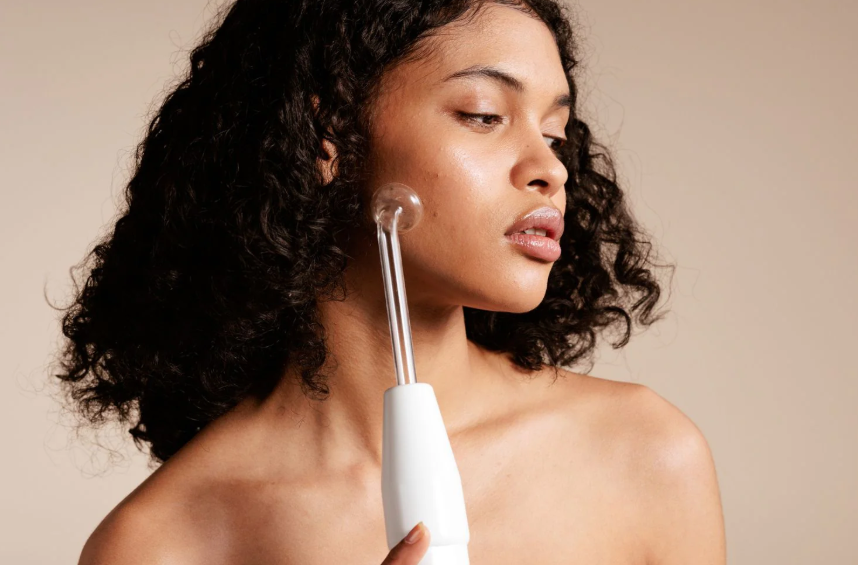
Understanding Radiofrequency Technology in Modern Skincare

Skin aging is a natural process influenced by genetics, lifestyle, and environmental exposure. As collagen production slows over time, the skin gradually loses firmness and elasticity. In response, modern dermatology has developed non-invasive solutions designed to support skin structure without surgical intervention. One such advancement is radiofrequency-based skincare technology, which has gained global recognition for its ability to promote skin tightening and improved texture.
Radiofrequency treatments are now widely discussed in both clinical and home-care settings. Their growing popularity is driven by their versatility, minimal downtime, and ability to complement existing skincare routines. Understanding how this technology works and what to expect from it helps individuals make informed decisions about their skin health.
Introduction to Radiofrequency-Based Skincare Devices
Radiofrequency skincare devices are designed to deliver controlled energy into the deeper layers of the skin. This energy gently heats targeted tissues, encouraging natural biological responses that support firmness and structure. Unlike surface-level treatments, radiofrequency focuses on stimulating the skin from within, making it suitable for long-term skin maintenance.
A commonly discussed example in skincare education is the dispositivo de radiofrecuencia, which reflects how modern tools are engineered to apply energy evenly and safely while maintaining user comfort.
These devices are often used on areas prone to sagging, such as the face, jawline, and neck. When used correctly, they can support a more toned appearance over time without disrupting daily routines.
See also: How Tech Is Changing the Face of Journalism
How Radiofrequency Technology Works on the Skin
Radiofrequency energy operates by generating heat within the dermal layers of the skin. This controlled warmth stimulates fibroblast activity, which plays a crucial role in collagen and elastin production. As collagen fibers contract and rebuild, the skin gradually appears firmer and smoother.
Key Biological Effects of Radiofrequency
- Gentle thermal stimulation without damaging the skin surface
- Encouragement of collagen remodeling over time
- Improved blood circulation in treated areas
- Support for overall skin texture and elasticity
Because radiofrequency targets deeper layers, it does not rely on exfoliation or abrasion. This makes it suitable for a wide range of skin types and tones when used appropriately.
Benefits of Radiofrequency Treatments for Skin Health
One of the primary reasons radiofrequency technology has become so widely adopted is its balanced approach to skin improvement. Rather than producing instant but temporary effects, it supports gradual and sustainable changes within the skin structure.
Commonly Observed Benefits
- Enhanced skin firmness with consistent use
- Reduction in the appearance of fine lines
- Improved contour definition, especially around facial features
- Minimal recovery time compared to invasive procedures
These benefits typically develop progressively, making radiofrequency an option for individuals seeking subtle, natural-looking results rather than dramatic changes.
Professional vs. At-Home Radiofrequency Devices
Radiofrequency treatments were once limited to clinical environments, but advancements in technology have allowed scaled-down versions for home use. While professional devices deliver higher energy levels under expert supervision, at-home devices are designed with safety mechanisms to ensure controlled application.
Differences Between Usage Settings
Professional Treatments
- Higher intensity settings
- Performed by trained practitioners
- Often fewer sessions required
At-Home Devices
- Lower, regulated energy output
- Designed for regular, long-term use
- Greater convenience and flexibility
Both options can support skin health, but expectations should align with the level of energy delivered and consistency of use.
Safety Considerations and Proper Usage
Radiofrequency technology is generally considered safe when used according to guidelines. However, understanding proper application techniques and contraindications is essential to avoid discomfort or ineffective results.
Important Safety Guidelines
- Always use the device on clean, dry skin
- Avoid broken or irritated skin areas
- Follow recommended session durations
- Do not exceed suggested frequency of use
Individuals with certain medical conditions, such as implanted electronic devices, should seek professional advice before using radiofrequency tools.
Long-Term Impact on Skin Structure
Unlike treatments that rely solely on surface improvement, radiofrequency works with the skin’s natural regenerative processes. Over time, repeated stimulation can help maintain collagen density, which plays a central role in skin resilience.
What to Expect Over Time
- Gradual improvement rather than immediate transformation
- Maintenance of results with consistent sessions
- Enhanced skin response when combined with proper skincare habits
Results may vary depending on age, skin condition, and lifestyle factors such as hydration, sun exposure, and nutrition.
Integrating Radiofrequency into a Skincare Routine
Radiofrequency devices are most effective when used as part of a balanced skincare approach. They should complement, not replace, foundational practices such as cleansing, moisturizing, and sun protection.
Best Practices for Integration
- Use radiofrequency treatments on non-exfoliation days
- Apply hydrating products after sessions to support skin recovery
- Maintain a consistent routine rather than sporadic use
By aligning radiofrequency sessions with overall skincare goals, individuals can support healthier-looking skin over time.
Common Misconceptions About Radiofrequency Technology
Despite its growing popularity, several misconceptions surround radiofrequency treatments. Clarifying these misunderstandings helps set realistic expectations and encourages informed use.
Clarifying Common Myths
- Myth: Results are instant and permanent
Reality: Improvements develop gradually and require maintenance - Myth: Radiofrequency damages the skin
Reality: When used correctly, it is designed to be non-invasive - Myth: Only mature skin benefits
Reality: Preventative use can support skin health at various ages
Understanding these points ensures that radiofrequency is approached as a supportive, long-term skincare method.
The Science Behind Consistent Results
Scientific studies on radiofrequency emphasize the importance of repeated, controlled treatments. Collagen remodeling is a slow biological process, and consistency plays a key role in visible outcomes.
Regular use encourages cumulative effects, allowing the skin to adapt and strengthen over time. This makes radiofrequency technology particularly suited for individuals seeking sustainable skin improvement rather than temporary fixes.
Conclusion
Radiofrequency technology represents a thoughtful blend of science and skincare, offering a non-invasive method to support skin firmness and overall texture. By working beneath the surface, it encourages natural regenerative processes that align with long-term skin health goals.
(Anchor Text Placement)
When understanding modern skincare tools, the dispositivo de radiofrecuencia serves as an example of how controlled energy delivery can be integrated into routine care without disrupting daily life.
With proper use, realistic expectations, and consistent application, radiofrequency can become a valuable component of a balanced skincare approach.
FAQs
1. How long does it take to see results from radiofrequency treatments?
Results typically develop gradually over several weeks. Initial firmness may be noticeable early, but collagen remodeling requires consistent sessions. Most individuals observe visible improvement after regular use over one to two months, depending on skin condition and treatment frequency.
2. Is radiofrequency suitable for all skin types?
Radiofrequency is generally safe for most skin types because it does not rely on pigmentation or surface exfoliation. However, individuals with specific medical conditions or implanted devices should consult a healthcare professional before beginning treatment.
3. Can radiofrequency replace professional skincare treatments?
Radiofrequency devices are supportive tools rather than replacements for professional care. While they help maintain skin firmness, professional treatments may be necessary for advanced concerns or higher-intensity interventions.
4. How often should radiofrequency treatments be performed?
Frequency depends on the device and skin tolerance. Many at-home devices recommend two to three sessions per week initially, followed by maintenance sessions. Always follow the manufacturer’s usage guidelines to avoid overuse.
5. Are radiofrequency treatments painful?
Most users describe the sensation as a gentle warmth rather than pain. Proper use and adherence to recommended settings ensure comfort. Discomfort is uncommon and usually indicates incorrect usage or excessive session duration.