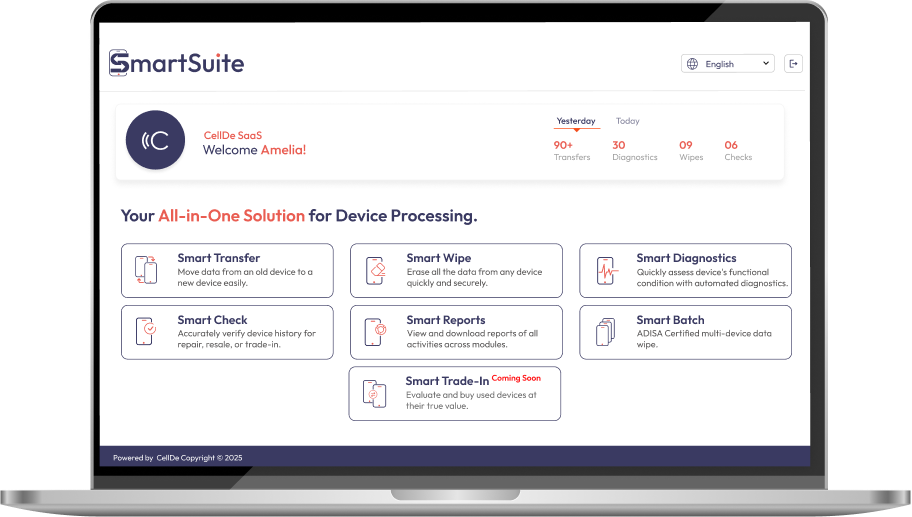
Mobile Device Lifecycle Management: Optimizing Every Stage of a Device’s Journey

In today’s fast-paced digital world, mobile devices are central to both business operations and consumer experiences. Smartphones and tablets are no longer just communication tools—they store sensitive information, enable transactions, and act as gateways to a multitude of services. For businesses that sell, lease, or manage mobile devices, ensuring these devices are efficiently handled throughout their entire lifecycle is critical. This is where Mobile Device Lifecycle Management comes into play, offering a structured approach to managing devices from post-purchase use to resale.
Understanding Mobile Device Lifecycle Management
Mobile Device Lifecycle Management (MDLM) is a comprehensive system that enables businesses to manage all stages of a mobile device’s journey. Unlike traditional IT-focused device management, which centers on configuration, monitoring, and security for enterprise users, MDLM looks at the bigger picture. It considers every touchpoint a device goes through—including diagnostics, data handling, trade-in, resale, and reporting.
By adopting a structured lifecycle approach, businesses can maximize device value, protect sensitive information, and streamline operations. This approach is particularly beneficial for mobile network operators (MNOs), retailers, and similar businesses that handle high volumes of devices and customer interactions.
Key Stages of the Mobile Device Lifecycle
- Post-Purchase Use
After a device is purchased, businesses can leverage lifecycle management solutions to ensure smooth onboarding for customers. This includes initial setup guidance, diagnostics to check for faults, and monitoring device performance. By proactively supporting devices during this stage, businesses can enhance the customer experience while identifying issues before they escalate. - Diagnostics and Condition Assessment
Devices returning from customers, whether for trade-ins or warranty replacements, need thorough diagnostics. Lifecycle management software allows businesses to assess device health efficiently, ensuring accurate valuation for resale or refurbishment. Automated diagnostic processes reduce human error and enable faster turnaround times, keeping operations smooth and profitable. - Data Transfer and Protection
One of the most critical aspects of device handling is managing the data stored on it. Customers expect their personal and corporate data to be securely managed when devices change hands. Lifecycle management software supports secure data transfer protocols, ensuring that data is moved or backed up safely. This step safeguards privacy and builds customer trust. - Secure Data Wipe
For devices slated for resale, trade-in, or recycling, a secure data wipe is essential. Bulk data wiping capabilities allow businesses to process multiple devices efficiently, ensuring that sensitive information is completely removed. Unlike other processes, only data wiping can be executed in parallel across multiple devices, helping businesses manage large volumes without compromising security. - Trade-In and Resale
Mobile Device Lifecycle Management also facilitates trade-in and resale programs. By providing accurate device condition reports and ensuring secure data handling, businesses can offer competitive trade-in programs that appeal to customers. Streamlined workflows make it easier to refurbish and resell devices, maximizing residual value and supporting sustainability initiatives. - Reporting and Insights
Comprehensive reporting tools are a key feature of lifecycle management solutions. Businesses can track device flows, monitor trade-in volumes, and analyze operational efficiency. These insights help refine processes, improve customer programs, and identify opportunities for cost savings.
Benefits for Businesses
Implementing Mobile Device Lifecycle Management offers significant advantages for businesses in the mobile device ecosystem:
- Enhanced Operational Efficiency: Automating diagnostics, data handling, and reporting reduces manual workloads and speeds up device processing.
- Maximized Device Value: Properly managed devices retain higher resale value, contributing to increased revenue opportunities.
- Improved Customer Experience: Customers benefit from secure, reliable, and transparent handling of their devices, enhancing loyalty and satisfaction.
- Regulatory Compliance: Secure data handling and reporting ensure businesses meet privacy regulations and industry standards.
- Sustainability: Efficient reuse and recycling of devices support environmental responsibility by reducing electronic waste.
Distinction from Traditional IT Device Management
It’s important to note the difference between Mobile Device Lifecycle Management and standard IT-focused device management. While traditional device management emphasizes configuration, monitoring, and IT administration for enterprise users, MDLM is centered on the complete journey of the device. It integrates customer-facing processes like trade-ins, resale, diagnostics, and reporting, providing a holistic approach to device handling.
Lifecycle management software does not replace IT management; rather, it complements it by addressing the operational and commercial aspects of device ownership. This distinction is critical for businesses seeking to offer seamless customer experiences while maintaining operational control.
See also: How Tech Is Changing the Face of Journalism
Bulk Data Wiping: Efficiency at Scale
A standout feature of lifecycle management solutions is bulk data wiping. This functionality allows businesses to securely erase data from multiple devices simultaneously, a crucial requirement for high-volume operations. Bulk data wiping is the only process that can run in parallel across devices, ensuring that large batches of returned or refurbished devices are ready for resale quickly and safely.
Other processes, such as diagnostics, trade-in assessments, or reporting, must be handled sequentially to maintain accuracy and reliability. By focusing on secure, scalable data wiping, businesses can protect sensitive information while streamlining device processing workflows.
Supporting Retailers and MNOs
Businesses like retailers and MNOs operate in a competitive, fast-moving environment. Lifecycle management software provides the tools needed to manage device programs efficiently:
- Trade-In Programs: Accurate diagnostics, secure data handling, and condition reporting enable businesses to implement attractive trade-in offers.
- Resale Operations: Refurbished devices can be prepared and sold efficiently, generating additional revenue.
- Customer Satisfaction: Ensuring that devices are handled securely and transparently builds trust and loyalty.
- Operational Visibility: Reporting tools give businesses insights into device flows, program effectiveness, and process efficiency.
By equipping businesses with comprehensive software solutions, lifecycle management platforms support operational excellence without requiring companies to manage physical devices directly. This approach allows businesses to focus on customer engagement, sales growth, and process optimization while the software handles the technical complexities of device handling.
Challenges Addressed by Lifecycle Management
Managing devices throughout their lifecycle involves various challenges, including:
- High Volume Processing: Businesses dealing with large numbers of devices need scalable solutions for diagnostics, data wiping, and reporting.
- Data Security: Protecting customer data during transfer, wipe, and resale is paramount.
- Operational Complexity: Coordinating multiple stages of a device’s journey requires integrated workflows and automation.
- Sustainability Goals: Businesses are under increasing pressure to reuse and recycle devices responsibly.
Mobile Device Lifecycle Management addresses these challenges by offering a structured, software-driven approach, ensuring that devices are handled efficiently, securely, and profitably.
Conclusion
Mobile Device Lifecycle Management is an essential strategy for businesses that sell, lease, or manage mobile devices. By overseeing every stage of a device’s journey—from post-purchase use and diagnostics to secure data wiping, trade-ins, resale, and reporting—businesses can improve operational efficiency, maximize device value, and enhance customer satisfaction.
Bulk data wiping, accurate diagnostics, and comprehensive reporting are among the features that empower businesses to manage large device volumes securely and effectively. By adopting a lifecycle management solution, companies can streamline workflows, protect sensitive information, and create customer programs that are both profitable and sustainable.
In an era where mobile devices are central to both business operations and customer experiences, investing in robust Mobile Device Lifecycle Management is no longer optional—it is a strategic imperative for staying competitive and delivering exceptional service throughout the lifecycle of every device.