Advancements and Applications in the Hypodermic Needles Industry

The hypodermic needle has been a cornerstone of modern healthcare for over a century, providing a reliable and precise means of delivering medications, vaccines, and other therapeutic agents directly into the body. Alongside its widespread medical use, the hypodermic needle industry has evolved significantly, incorporating innovations that enhance safety, comfort, and efficiency. Among the related tools in healthcare, the iv line stands out as a critical element in intravenous therapy, ensuring that fluids and medications are delivered safely and effectively.
Understanding the Hypodermic Needle
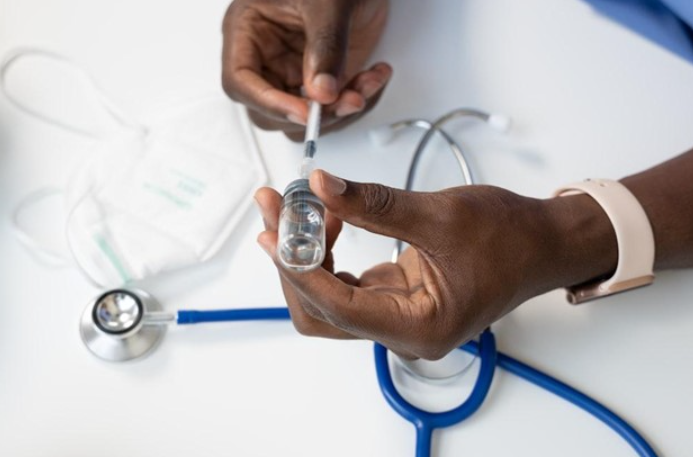
A hypodermic needle is a slender, hollow instrument designed to pierce the skin and access tissues, veins, or muscles for the administration or extraction of fluids. The structure of a hypodermic needle consists of three main components:
- Hub: Connects the needle to a syringe or iv line.
- Shaft: The hollow tube that allows the flow of fluids.
- Bevel: The angled tip that facilitates smooth insertion with minimal discomfort.
The precision of the bevel and the gauge of the needle determine how comfortably and effectively the fluid can be administered.
Integration with IV Lines
In many hospital and clinical settings, hypodermic needles are used in conjunction with an iv line. An iv line is a flexible tube that connects the needle to an intravenous bag or syringe, enabling continuous or intermittent delivery of medications and fluids. The combination of hypodermic needles and iv lines is essential in critical care, surgery, and emergency settings, where timely fluid administration can be life-saving.
The iv line ensures that once the hypodermic needle is inserted into a vein, the patient receives the appropriate dosage without repeated punctures, minimizing discomfort and reducing the risk of infection.
Common Uses of Hypodermic Needles
Hypodermic needles are indispensable in modern medicine and have diverse applications:
Vaccinations
Hypodermic needles are the primary tool for administering vaccines. Proper needle selection and technique ensure that the vaccine is delivered into the correct tissue layer, optimizing immune response and minimizing pain.
Medication Administration
Hypodermic needles allow precise administration of medications, including antibiotics, pain relievers, insulin, and biologics. When connected to an iv line, they provide continuous delivery of fluids and drugs, which is crucial for critically ill patients.
Blood Sampling
Blood draws are a common application of hypodermic needles. Correct needle selection ensures sufficient sample collection while minimizing trauma to the vein.
Intravenous Therapy
Hypodermic needles paired with iv lines are central to intravenous therapy, allowing fluids, electrolytes, and medications to be administered iv line efficiently. This is particularly important in dehydration, surgery recovery, and chronic disease management.
Clinical Research
In research and clinical trials, hypodermic needles are used to administer experimental treatments and collect samples. Precision and sterility are essential to maintain the accuracy of results and ensure patient safety.
Types of Hypodermic Needles
The hypodermic needle industry produces various types to meet the needs of different medical applications:
- Standard Needles: Commonly used for routine injections, blood draws, and iv line access.
- Safety Needles: Designed with retractable tips or protective shields to prevent accidental needle-stick injuries.
- Insulin Needles: Short, fine needles used for subcutaneous injections, providing comfort for patients with diabetes.
- Specialty Needles: Used for spinal injections, biopsies, or high-precision laboratory procedures.
Selecting the appropriate type of hypodermic needle is critical for achieving therapeutic goals while ensuring patient comfort and safety.
Factors in Selecting Hypodermic Needles
Several considerations influence the choice of hypodermic needles:
- Route of Administration: Intramuscular, subcutaneous, and intravenous injections each require different needle lengths and gauges.
- Patient Characteristics: Age, weight, and muscle mass affect needle choice, particularly for pediatric or elderly patients.
- Medication Properties: Viscosity and volume of the medication determine the required needle gauge.
- Procedure Type: Continuous infusions via an iv line may need longer or specialized needles for secure vein access.
Proper selection reduces complications such as infiltration, phlebitis, or vein collapse and ensures the medication is delivered effectively.
Advantages of Hypodermic Needles
The use of hypodermic needles offers several benefits:
- Precision: Accurate delivery of medications to targeted areas.
- Rapid Effect: Direct administration allows faster therapeutic response.
- Versatility: Applicable for injections, blood sampling, intravenous therapy, and research.
- Safety: Modern needles reduce the risk of accidental injury.
Challenges in the Industry
Despite their advantages, hypodermic needles present certain challenges:
- Patient Anxiety: Needle phobia can lead to stress and reduced compliance.
- Needle-Stick Injuries: Healthcare workers face the risk of accidental punctures without safety-engineered designs.
- Waste Management: Single-use needles contribute to medical waste, necessitating proper disposal to prevent environmental and health hazards.
- Training Requirements: Proper technique is essential to avoid complications and ensure effective administration.
See also: Exploring Spinal Health and Wellness
Innovations in Hypodermic Needle Design
The hypodermic needle industry is continuously evolving to address these challenges:
Safety-Engineered Needles
Retractable and shielded needles protect healthcare workers from accidental needle-stick injuries while maintaining patient safety.
Ultra-Fine Needles
Thinner needles reduce pain and tissue trauma, making procedures more comfortable for patients, particularly those requiring frequent injections.
Biodegradable and Eco-Friendly Materials
Research is focused on creating needles that reduce environmental impact without compromising safety or performance.
Integration with Smart Devices
Advanced systems now allow hypodermic needles and iv lines to be connected to smart pumps, ensuring accurate dosage, monitoring patient response, and minimizing human error.
Market Trends and Future Outlook
The global demand for hypodermic needles continues to grow, driven by:
- Expanded vaccination campaigns worldwide.
- Increased prevalence of chronic conditions requiring injections.
- Growing emphasis on healthcare worker safety and patient comfort.
- Innovations in needle and iv line design for precision and ease of use.
Future developments are expected to focus on further improving safety, minimizing patient discomfort, and integrating digital monitoring systems with iv lines to optimize healthcare delivery.
Conclusion
Hypodermic needles remain a vital component of modern healthcare, enabling precise, safe, and efficient administration of medications, vaccines, and other therapies. When paired with an iv line, they provide continuous and controlled delivery of fluids and medications, enhancing patient care in hospitals and clinics worldwide.
As the industry evolves, innovations in needle design, safety, and sustainability will continue to improve both clinical outcomes and patient experience. The combination of hypodermic needles and iv lines demonstrates the critical role of these tools in advancing medical practice and ensuring optimal healthcare delivery.